
Emergencies can happen when you least expect them, and knowing how to respond can save lives. CPR and First Aid Training equips you with the skills and confidence to act quickly and effectively. From workplace incidents to home accidents, being prepared makes all the difference. Keep reading to discover what you’ll learn, who can benefit, and how to get certified.
How CPR and First Aid Training Saves Lives in Everyday Situations
The Importance of Being Prepared
Emergencies can happen anytime—at home, at work, or even in public spaces. That’s why CPR and First Aid Training is more than just a certificate; it’s a practical skill set that can save lives. From minor cuts and burns to severe cardiac arrests, knowing how to respond effectively can make the difference between a manageable situation and a tragedy. Programs offering CPR certification, including CPR Level C, and first aid certificates ensure participants are ready for both common and life-threatening emergencies.
Responding to Cardiac Emergencies
Heart attacks and sudden cardiac arrests are among the leading causes of death worldwide, yet timely intervention significantly increases survival rates. CPR and First Aid Training teaches you how to recognize signs of cardiac distress and act immediately. Learning proper chest compressions, rescue breaths, and the use of an AED through AED certification prepares you to intervene effectively before paramedics arrive. Even basic skills gained through Red Cross CPR courses can help maintain circulation and oxygen flow, dramatically improving outcomes.
Handling Choking and Breathing Emergencies
Choking incidents can occur at home, in restaurants, or during recreational activities. Through CPR courses Toronto and standard first aid training, participants learn how to perform techniques to clear airway obstructions safely. This knowledge extends beyond adults to children and infants, ensuring you are equipped to handle emergencies involving all age groups. In situations like these, every second counts, and the ability to act confidently can save a life.
Managing Injuries and Accidents
Everyday accidents, from cuts and burns to falls and fractures, are common at home, work, and school. First aid certificates equip you with the skills to provide immediate care, control bleeding, reduce infection risks, and stabilize injuries until professional help arrives. Learning standard first aid practices also includes recognizing medical emergencies such as allergic reactions, seizures, or shock, giving you the tools to prevent complications.
Everyday Life Applications
The beauty of CPR and First Aid Training is that its benefits extend into everyday life. Parents, caregivers, teachers, and community volunteers find these skills invaluable in routine situations. Whether it’s assisting a child who has fallen on the playground, helping a coworker with sudden chest pain, or responding to a minor kitchen burn, having CPR certification and a first aid certificate ensures you can act immediately and effectively.
Career Advantages of CPR and First Aid Certification
Enhancing Your Professional Profile
In today’s competitive job market, having a CPR and First Aid Certification can set you apart from other candidates. Employers value employees who are prepared for emergencies and can act confidently to protect themselves and others. Completing CPR and First Aid Training not only provides you with essential life-saving skills but also demonstrates responsibility, initiative, and commitment to workplace safety. For many positions, having a first aid certificate or CPR certification is not just a bonus—it is a requirement.
Opportunities in Healthcare and Childcare
Careers in healthcare, childcare, and eldercare often mandate CPR Level C and standard first aid certification. Nurses, personal support workers, daycare providers, and teachers are regularly required to hold valid certifications to ensure the safety of those under their care. Completing Red Cross CPR or AED certification programs equips professionals with up-to-date techniques and knowledge, making them more confident and competent in responding to emergencies. Being certified can open doors to higher-level positions, promotions, and specialized roles in these fields.
Workplace Safety and Compliance
Many employers across various industries—such as construction, hospitality, fitness, and office environments—require employees to have valid CPR and First Aid Training. Organizations need staff who can respond to workplace accidents, medical emergencies, or unexpected injuries. Holding a first aid certificate, CPR certification, or AED certification demonstrates that you are prepared, responsible, and capable of meeting workplace safety standards. This makes you an asset to any team and can increase your job security and career growth potential.
Competitive Edge in Job Applications
Including CPR and First Aid Certification on your resume enhances your appeal to employers. It signals that you possess skills beyond your core job responsibilities, including emergency preparedness, quick decision-making, and leadership under pressure. Many CPR courses Toronto programs, particularly those following Red Cross CPR guidelines, are recognized nationwide, adding credibility to your profile. For positions in healthcare, education, childcare, and public safety, certification can be a decisive factor in securing employment or advancing your career.
Building Confidence and Leadership Skills
Career advantages of CPR and First Aid Training extend beyond the certificate itself. Employees who are trained in CPR Level C, standard first aid, and AED usage often develop greater confidence in handling stressful situations. This confidence translates into leadership skills, the ability to stay calm under pressure, and enhanced problem-solving capabilities—qualities highly valued by employers. By demonstrating your ability to take control during emergencies, you can position yourself as a dependable, proactive team member.
Key Skills You Will Learn in CPR and First Aid Courses

Overview of CPR and First Aid Training
Enrolling in CPR and First Aid Training equips you with the practical skills and knowledge necessary to respond confidently in emergency situations. These courses provide more than just a first aid certificate or CPR certification; they give you the ability to act effectively in life-threatening scenarios, protect others, and even save lives. Whether you are looking to complete CPR Level C training, gain AED certification, or earn Red Cross CPR credentials, these programs combine theory with hands-on practice to prepare you for real-world emergencies.
Life-Saving CPR Skills
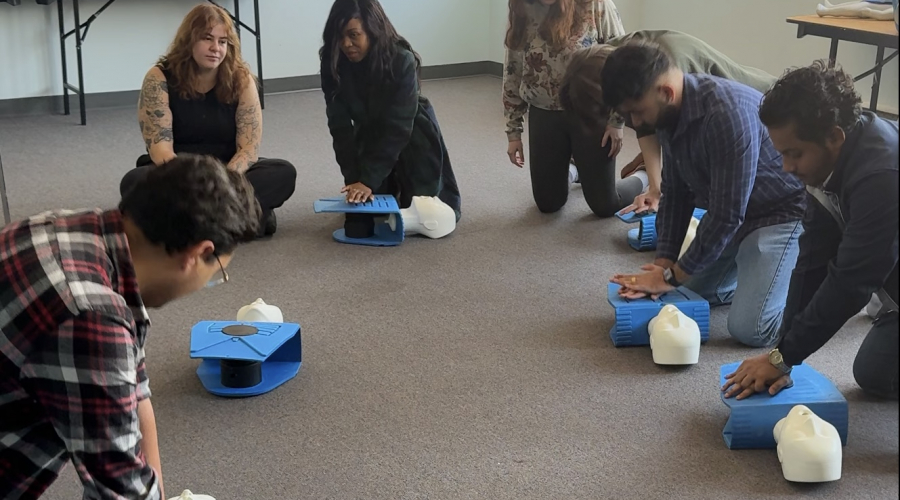
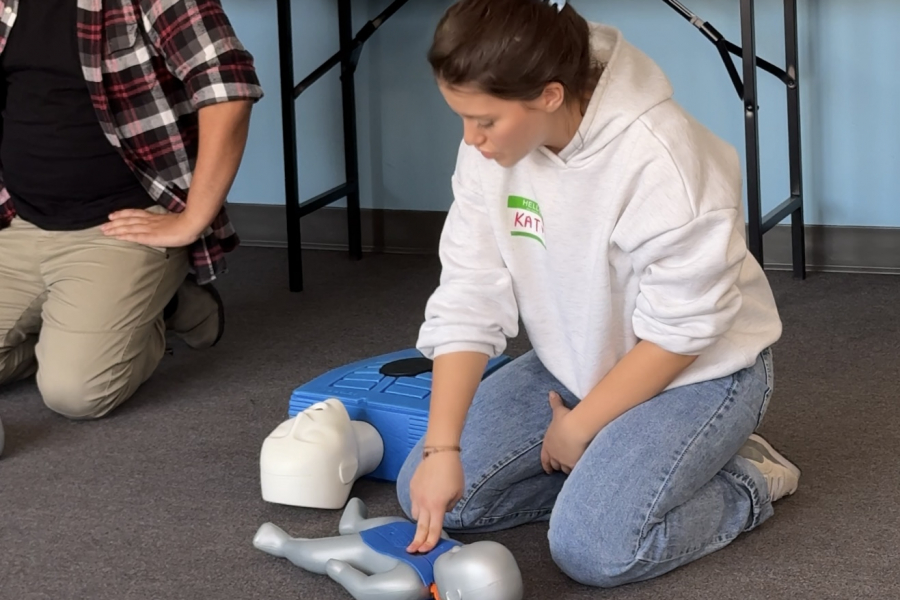
One of the core components of CPR and First Aid Training is mastering proper CPR techniques. Participants learn how to perform adult, child, and infant CPR, understanding the differences in compression depth and rate for each age group. Training also covers how to deliver rescue breaths effectively and integrate them with compressions for maximum impact. Completing CPR Level C training ensures that you are prepared to respond to cardiac arrests and other life-threatening situations confidently. Hands-on practice with manikins allows participants to develop muscle memory, making it easier to react under pressure.
Using Automated External Defibrillators (AEDs)
Modern emergency response often requires the use of an Automated External Defibrillator. AED certification teaches you how to identify when an AED is needed, operate the device safely, and incorporate it into CPR procedures. Training includes step-by-step guidance on turning on the AED, placing pads correctly, and following voice prompts, ensuring that even first-time users can respond effectively. By mastering AED use, you significantly improve the chances of survival for someone experiencing sudden cardiac arrest.
First Aid Skills for Everyday Emergencies
In addition to CPR, participants gain comprehensive standard first aid skills to manage a wide range of injuries and medical emergencies. You will learn how to respond to bleeding, cuts, burns, fractures, and sprains, stabilizing injuries until professional help arrives. Courses also cover how to handle choking, allergic reactions, fainting, seizures, and other medical emergencies. These skills are essential not only for workplace safety but also for protecting family members, friends, and community members in everyday situations.
Scenario-Based Problem Solving
A unique aspect of CPR and First Aid Training is scenario-based learning. Participants practice responding to realistic emergencies, such as accidents at home, school, or work. This approach allows you to develop critical thinking, decision-making, and teamwork skills while gaining confidence in applying your training. By simulating real-life situations, you are better prepared to act quickly and effectively when emergencies occur.

If you’re ready to gain life-saving skills and earn recognized certification, IDEA Training Collaborative is here to guide you every step of the way. Our expert instructors provide comprehensive CPR and First Aid Training, including CPR Level C, AED certification, and standard first aid, all designed to meet workplace and personal needs. With hands-on practice, flexible course options, and a supportive learning environment, IDEA ensures you leave confident and prepared to handle any emergency. Take the first step toward safety, skill, and professional growth—let IDEA help you achieve your CPR certification and first aid certificate today.